Knowledge Warehouse
The RJ Schinner Knowledge Warehouse offers in-depth product information in the form of articles, videos, sell sheets, and product flyers that are focused toward assisting DSRs in communicating product features and benefits to their customers. The RJ Schinner Knowledge Warehouse provides easy access to supplier and RJ Exclusive Brand information that DSRs need, anytime, anywhere.

Know to Grow
Insights and news regarding events that are happening at RJ Schinner, and within the wholesale distribution industry.
Know to Grow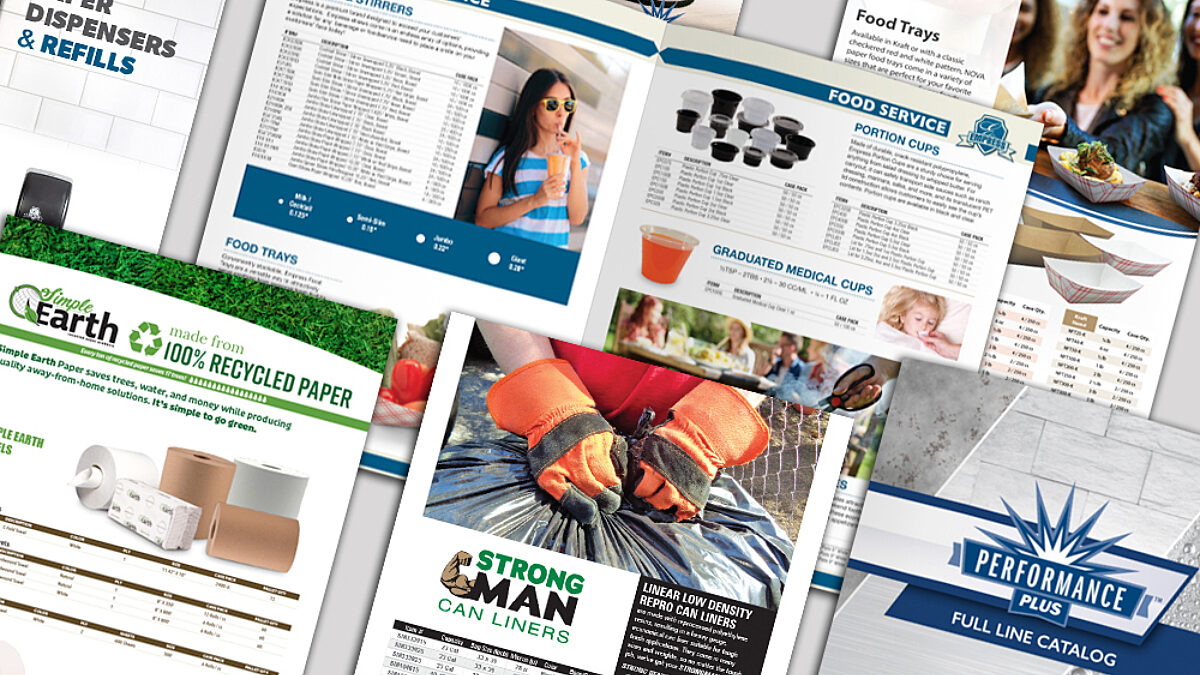
RJ Exclusive Brands
Explore RJ Schinner's Exclusive Brands. Offering consistency, versatility, and extraordinary value.
RJ Exclusive Brands
Supplier Resources
A library of resources and information from RJ Schinner national supplier partners.
Supplier Resources
RJ Training Aides
A Collection of videos providing training on industry relevant topics for RJ Schinner exclusive brand products.
RJ Training Aides
Supplier Rebate & Promos
Rebates and Promotions from our national suppliers.
Supplier Rebate & Promos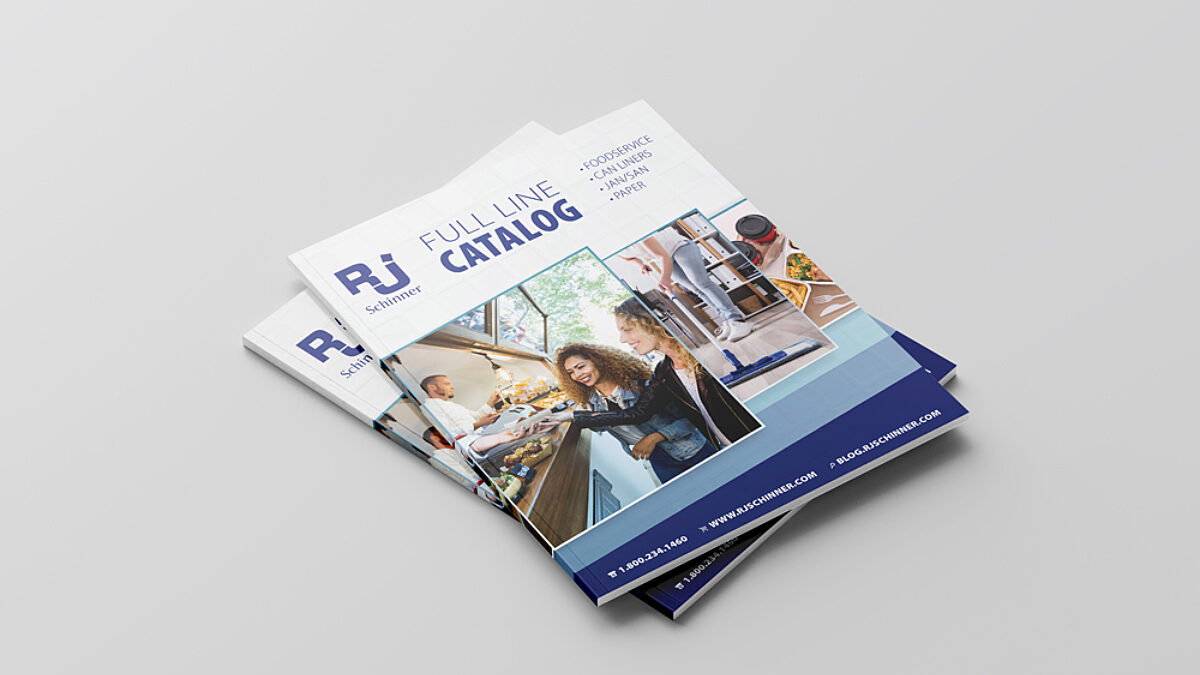
Why Redistribution?
As the largest independent redistributor in the US, RJ Schinner’s customers benefit from our enhanced flexibility, quick to market operation.

Taking your Business Personally since 1951
For 3 generations and over 70 years, RJ Schinner has been a leader in the wholesale distribution industry, servicing the foodservice, lodging, grocery, janitorial supply, and office supply markets. With 20 locations across the United States and over 85 sales professionals, RJ Schinner develops strong successful partnerships, selling exclusively to our distributor partners, never their customers.
Copyright © 2026 RJ Schinner Redistribution Specialists. All rights reserved.